April 6, 2026
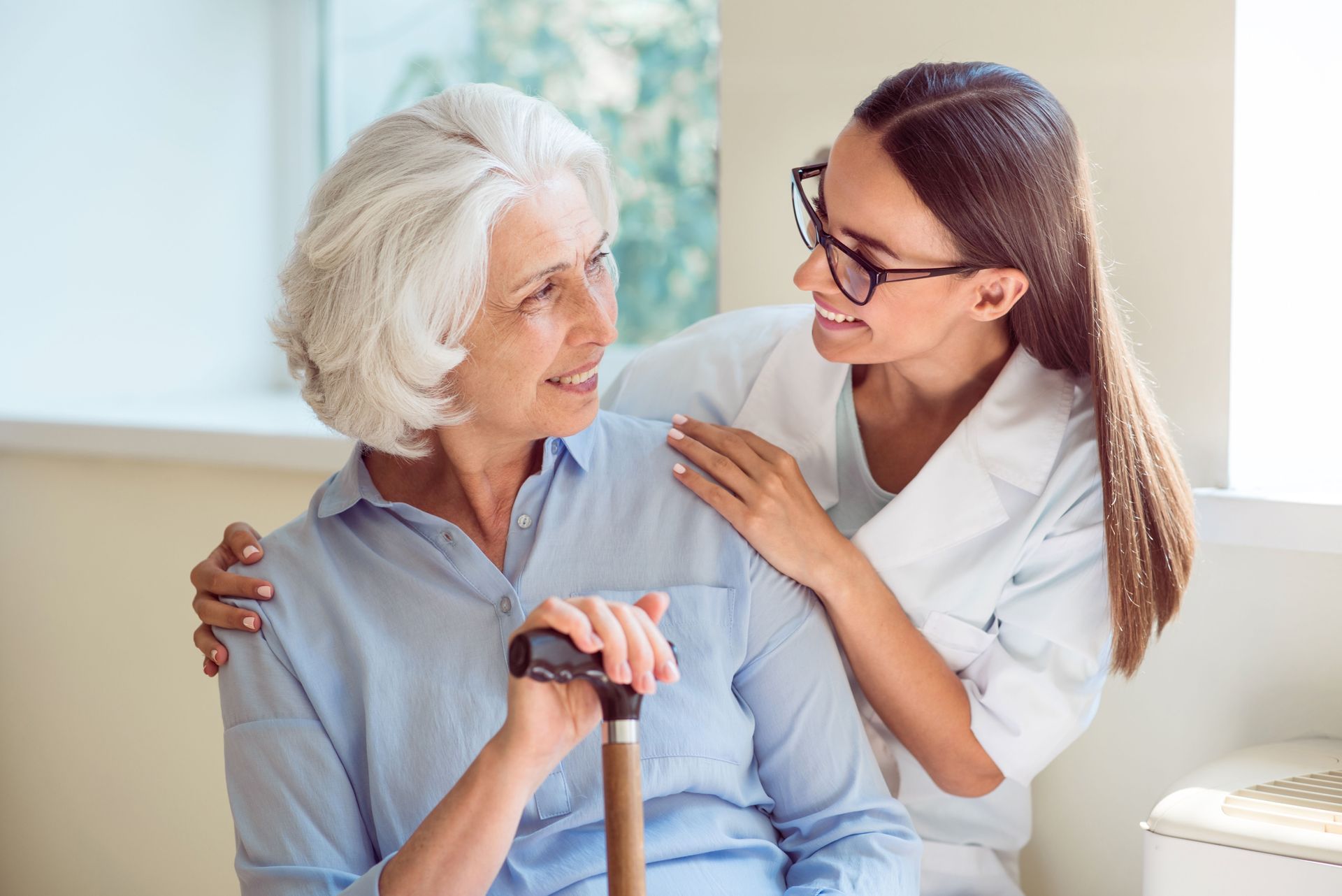
As seniors age, their needs—both physical and emotional—become increasingly unique, requiring care that is attentive, compassionate, and tailored. Local senior caregivers play a critical role in providing this personalized support, going beyond basic assistance to understand each individual’s preferences, routines, and health requirements. By creating customized care plans that consider mobility, dietary needs, medical conditions, and lifestyle choices, local senior caregivers ensure that seniors maintain their independence, dignity, and overall well-being. Beyond physical care, these professionals offer emotional support and companionship, fostering trust, reducing feelings of isolation, and enhancing quality of life. Personalized caregiving ensures that every senior feels seen, respected, and valued, while giving families peace of mind knowing their loved ones are in capable hands.
Personalized Care and Attention
Local senior caregivers have the ability to tailor their care to meet the unique needs of each elderly person they support. They invest time in getting to know the seniors, understanding their preferences, daily routines, and health conditions. This knowledge allows local senior caregivers to provide assistance that respects personal boundaries while ensuring necessary care is delivered. By being attuned to these needs, caregivers help seniors maintain their identity and autonomy as much as possible. Personalized care also means recognizing and respecting cultural, religious, and lifestyle choices, ensuring that every aspect of the senior's life is honored.
Creating a personalized care plan is a collaborative effort that involves the caregiver, the senior, and often family members. This plan takes into consideration the senior’s health conditions, mobility, dietary needs, and scheduled activities. With a customized care plan, caregivers can ensure that all areas of a senior’s health are monitored and attended to. This strategic approach enables quick adaptation to any changes in the senior's condition, preventing possible complications. Moreover, these plans often involve coordination with healthcare professionals to align caregiving efforts with medical advice and treatments.
The relationship between a senior and their caregiver is built on trust and mutual respect. A caregiver's commitment to a senior's well-being fosters a bond that goes beyond mere caregiving tasks. Regular interactions and shared experiences create a rapport that reassures seniors of their caregiver's dedication. Trust-building is also essential for effective communication, as seniors are more likely to express their needs and concerns when they feel understood and respected. By establishing a strong relationship, caregivers empower seniors to be open about their feelings and changes in their health, ensuring early intervention and continued well-being.
Senior caregiving comes with the challenge of adapting to changing health conditions. Many seniors face progressive health issues that require caregivers to stay vigilant and responsive. Caregivers are trained to observe symptoms and health changes, allowing for timely responses and adjustments to care plans. This adaptability ensures that seniors receive the appropriate care as their needs evolve, minimizing discomfort and enhancing their quality of life. By continuously updating their knowledge and strategies, local senior caregivers provide care that aligns with medical advancements and new caregiving techniques.
Enhancing Emotional Well-Being
Loneliness is a common issue among the elderly, and caregivers play a pivotal role in alleviating this by providing companionship. Regular social interactions with caregivers help reduce feelings of isolation and provide emotional support. This companionship often includes engaging in conversations, participating in shared activities, or simply being a consistent presence in the senior’s daily life. By fostering emotional connections, caregivers help seniors feel valued and loved. Such interactions are essential for boosting the emotional health of seniors, offering them a sense of belonging and community.
Caregivers are often called upon to provide counseling and emotional support, addressing concerns and anxieties that seniors may have. This aspect of caregiving involves actively listening to seniors' worries, offering reassurance, and sometimes mediating family dynamics. By being available for emotional support, caregivers help seniors navigate the complex emotions associated with aging, health issues, and loss. It involves validating feelings and providing appropriate responses, whether by offering a listening ear or connecting them with professional counselors when necessary. This support contributes significantly to the senior's overall mental health and quality of life.
Effective communication between seniors and their families is crucial, and caregivers often facilitate this interaction. They keep families informed about the senior's health status, changes in behavior, or any concerns that arise. This is especially important for families living far away, who rely on caregivers to be their eyes and ears. By serving as a liaison, caregivers ensure that family members are actively involved in the senior's life, fostering a sense of support and care. This coordination also helps address family concerns promptly and comprehensively, maintaining harmony and understanding.
One of the significant roles of a caregiver is to foster a positive outlook in seniors. Through regular encouragement and positive reinforcement, local senior caregivers help seniors deal with the challenges they face with resilience. They engage seniors in activities that bring joy and fulfillment, releasing endorphins that combat feelings of sadness or lethargy. Caregivers also celebrate small victories with seniors, reinforcing the idea that they can overcome obstacles. This continuous encouragement helps seniors to maintain a hopeful and proactive approach to life, enhancing their mental and emotional well-being.
Promoting Physical Health
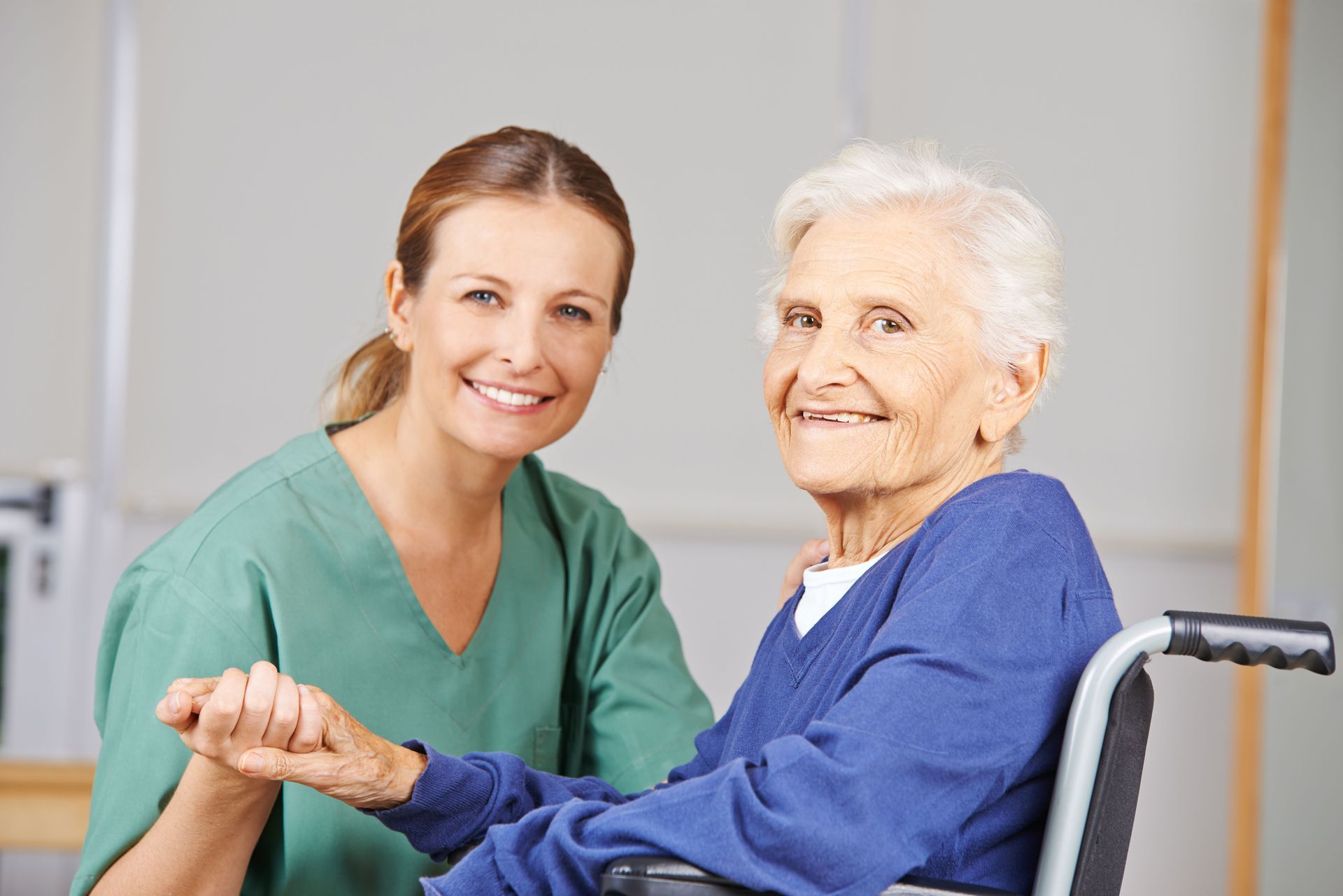
Daily living activities often become challenging as one ages, making caregiving assistance vital. Caregivers help seniors with various activities, from bathing and dressing to mobility support. This assistance ensures that seniors maintain their hygiene and well-being while reducing the risk of injuries. By attending to these daily needs, caregivers allow seniors to focus on enjoying life rather than struggling with basic tasks. Such support not only enhances the senior’s physical health but also boosts their morale and dignity.
Physical activity is crucial for seniors to maintain health, and caregivers play a key role in supporting exercise routines. They encourage seniors to participate in appropriately leveled physical activities, such as walking, stretching, or specialized exercise programs. By delivering motivation and companionship, caregivers make exercise a regular part of the senior’s daily routine. Their involvement also includes ensuring that exercises are performed safely to prevent injuries. Regular physical movement under a caregiver’s supervision promotes strength, balance, and cardiovascular health, which are essential for prolonging independence.
Monitoring health metrics is a crucial responsibility for caregivers to ensure prompt identification of health concerns. Caregivers monitor vital signs, weight changes, and other significant health indicators, keeping track of any deviations from the norm. This vigilance allows local senior caregivers to inform healthcare providers about potential issues early, preventing complications. Continuous monitoring, combined with appropriate record-keeping, helps guide decisions about care plans or interventions. This proactive approach plays an essential role in safeguarding the overall health of seniors, enabling timely medical attention when necessary.
Effective coordination with healthcare providers is another critical aspect of caregiving. The caregiver acts as a link between the senior and their medical team, ensuring that all parties are informed and aligned. This coordination includes scheduling appointments, attending medical visits, and relaying important health information. Caregivers also implement healthcare providers’ instructions, such as medication management and therapy support. According to the U.S. Bureau of Labor Statistics, about 14% of adults in the U.S. — roughly 38.2 million people — provided unpaid eldercare to someone age 65 or older. Such coordination ensures that the senior’s care is comprehensive and continuous, preventing gaps in their healthcare regimen.
Families can feel confident knowing their loved ones are safe, supported, and receiving care tailored to their individual needs. Don’t wait to enhance your senior’s quality of life—connect with Lora’s In-Home Care today and ensure they receive the personalized attention and compassionate support they deserve.